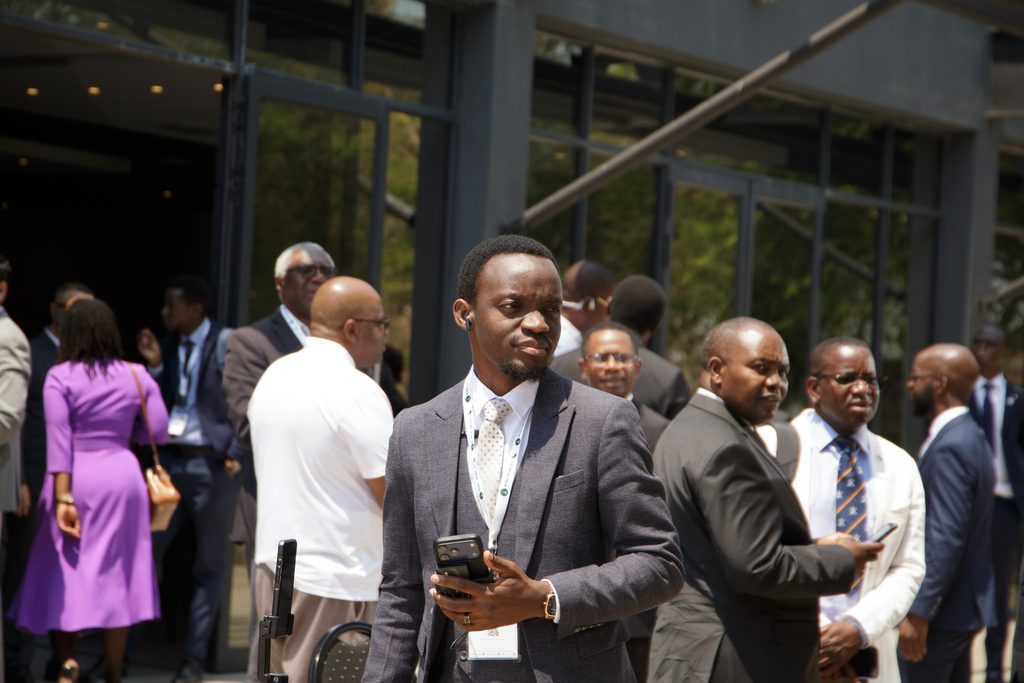
The future of healthcare in Africa took centre stage in Lusaka as Zambia Medical Association (ZMA) President, Dr Masiku Phiri, addressed the 11th Annual Scientific Conference of the East, Central and Southern Africa College of Physicians (ECSACOP), held from 17–20 September 2026 at Ciela Resort, Lusaka, Zambia.
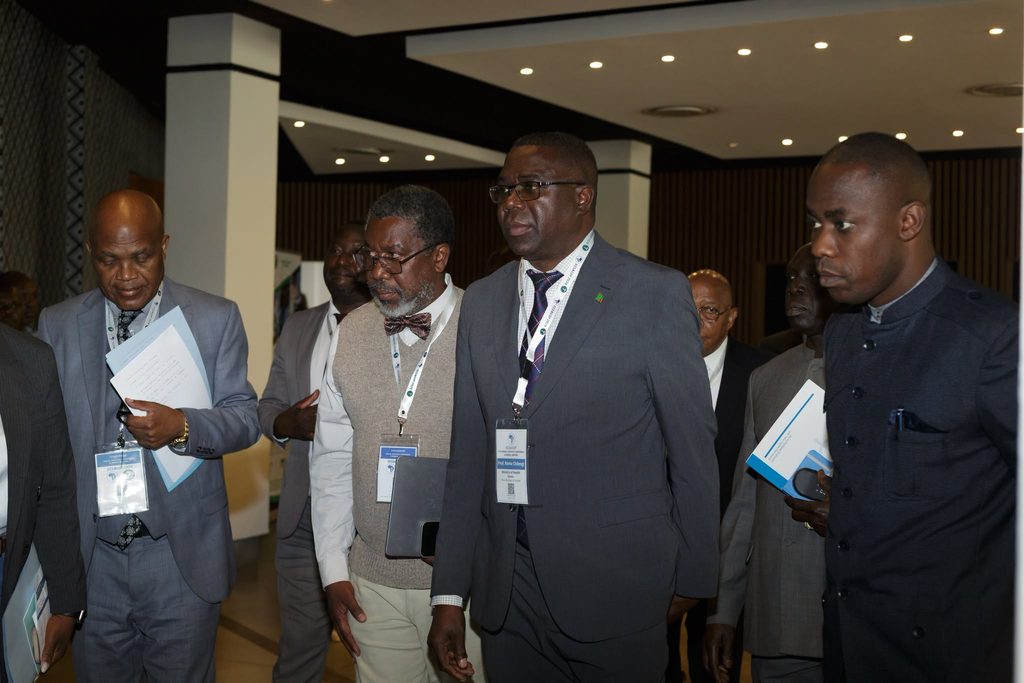
The conference was graced by the Honourable Minister of Health, Prof. Roma Chilengi, Dr Masiku Phiri and the President of the Zambia College of Physicians, Dr. Chanda M. Duncan who were joined by physicians, researchers, medical educators, policymakers, trainees and other healthcare professionals from across the region.
The conference was held under the theme: ”Augmenting Clinical Excellence: Leveraging Artificial Intelligence and Digital Innovation to Strengthen Evidence-Based Practice, Training, and Equitable Care in Africa.”
Delivering his keynote address as Guest of Honour, the Honourable Minister of Health, Prof. Roma Chilengi, offered a compelling vision for Africa’s healthcare future. He stated that artificial intelligence and digital innovation should act as powerful allies in elevating clinical excellence, rather than as substitutes for professional judgment. He strongly advocated for a human-centered approach that balances technological advancement with compassion, ethics, and equity, while affirming the importance of local ownership, evidence generation, and collaboration. He noted that Zambia’s digital health initiatives exemplify these principles in action.
The Honourable Minister stated that realizing a healthier, more equitable, and resilient African healthcare system depends on embracing innovation responsibly, investing in human capacity, and forging partnerships across sectors. He suggested next steps that include continued investment in digital governance, ethical frameworks, specialist training, and inclusive policies that keep patients firmly at the centre of healthcare transformation.
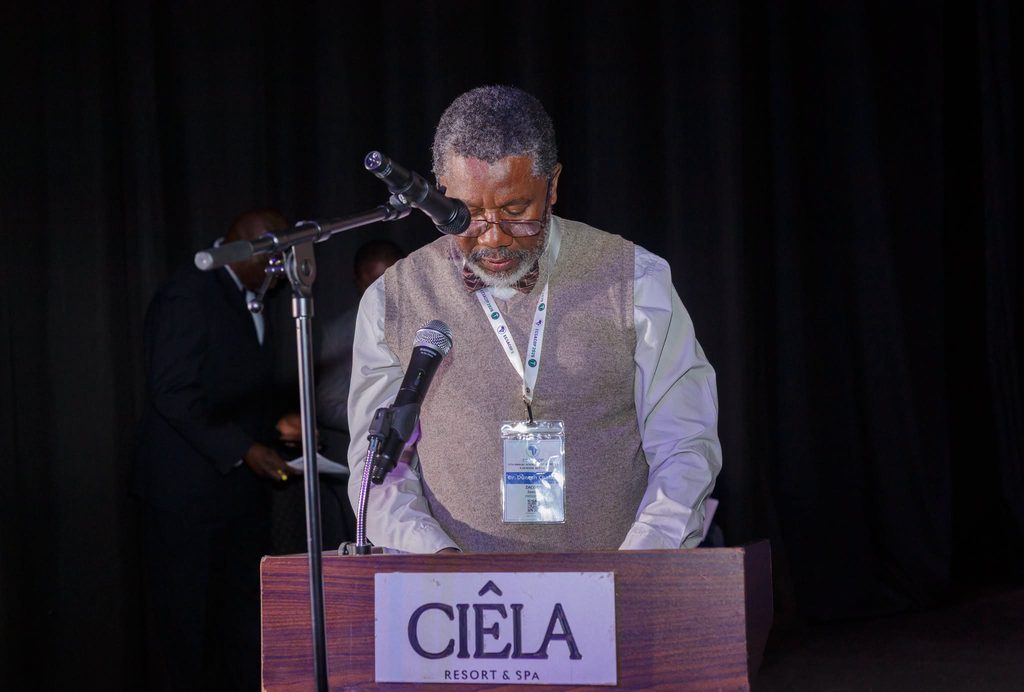
Speaking at the conference, the President of the Zambia College of Physicians, Dr. Chanda M. Duncan, highlighted the crucial role that digital technologies and evidence-based practices play in transforming healthcare across East and Southern Africa. He stated that despite impressive advances in data generation, a pressing challenge remains in translating this data into effective clinical practice. He advocated for building strong platforms, governance frameworks, and sustainable partnerships that prioritize equitable access and continuous education for collaborative, compassionate, and data-driven solutions that improve healthcare outcomes.
In his address, Dr Masiku Phiri highlighted the growing role of Artificial Intelligence (AI) and digital innovation in healthcare. He noted that AI should support physicians by strengthening clinical judgement, improving diagnosis, supporting research and training, expanding access to medical knowledge and improving patient care.
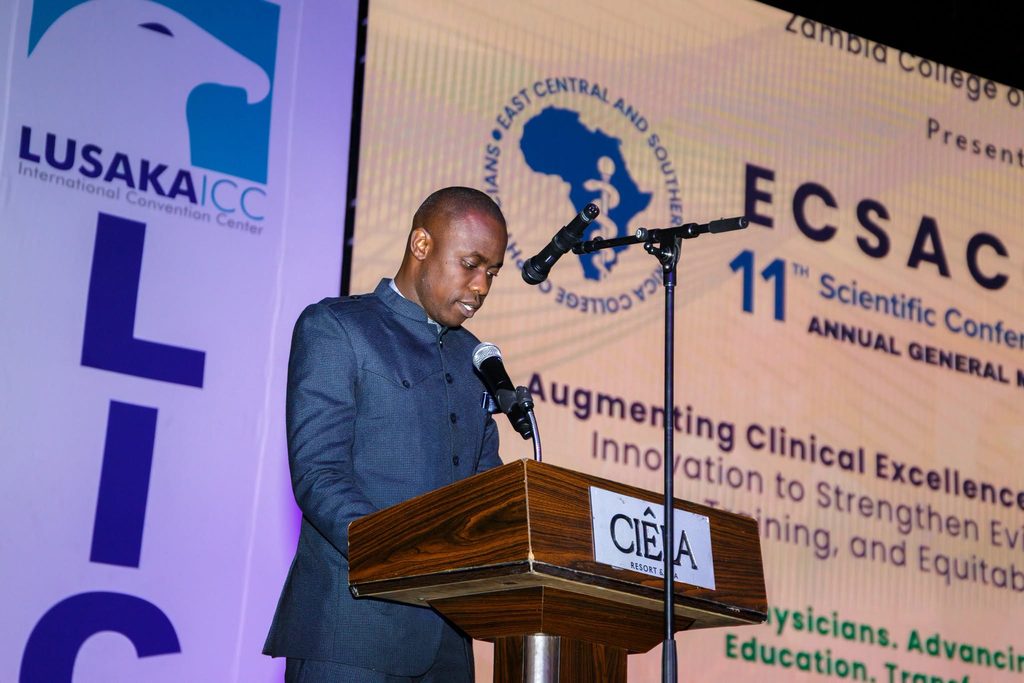
He also spoke about the importance of ensuring that AI technologies are developed and used with consideration for African populations, healthcare systems and local needs. Key issues highlighted included patient confidentiality, autonomy, trust, ethical safeguards and equitable access to digital healthcare.
Dr Phiri emphasized the role of physicians in the development and governance of healthcare technologies, noting that doctors should be involved not only as users, but also as researchers, educators, evaluators and leaders.
He further highlighted the need for stronger African research, African data and African-led innovation, as well as increased collaboration among countries and institutions across the region.
A central message of the address was that the patient must remain at the center of healthcare innovation. Digital technology has the potential to improve access to specialist care, support healthcare professionals and strengthen services, particularly for people in rural and underserved communities.
Dr Phiri also noted that successful digital transformation requires investment in infrastructure, connectivity and the healthcare workforce, together with appropriate governance and ethical standards.
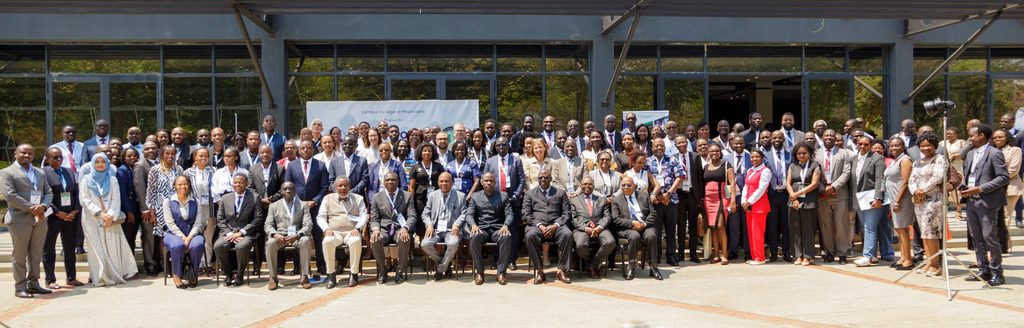
The conference provided an important platform for sharing scientific knowledge, strengthening professional networks and exploring opportunities for research, medical education, innovation and improved healthcare delivery across the region.
The Zambia Medical Association remains committed to supporting the medical profession, promoting professional development, clinical excellence and evidence-based practice, while supporting responsible innovation, protecting patient rights and advocating for equitable access to quality healthcare.
“Let us embrace innovation, but anchor it in evidence. Let us embrace artificial intelligence, but preserve human judgement and compassion. Let us embrace digital transformation, but insist upon equity.”
The ZMA extends its appreciation to ECSACOP, the Local Organizing Committee, speakers, researchers, trainees, partners and all delegates who contributed to the success of the 11th Annual Scientific Conference.